How to Choose a Knee Support for Hiking: Walker's Guide
Genusto · August 24, 2026
Plenty of walkers feel absolutely fine on the flat and then meet a long, steep descent and wish they had brought something for their knees. The kit most people own — a thin sleeve bought in a rush, or a heavy neoprene wrap — tends to be either too little or too much. Here is how to pick something that earns its place in the rucksack.
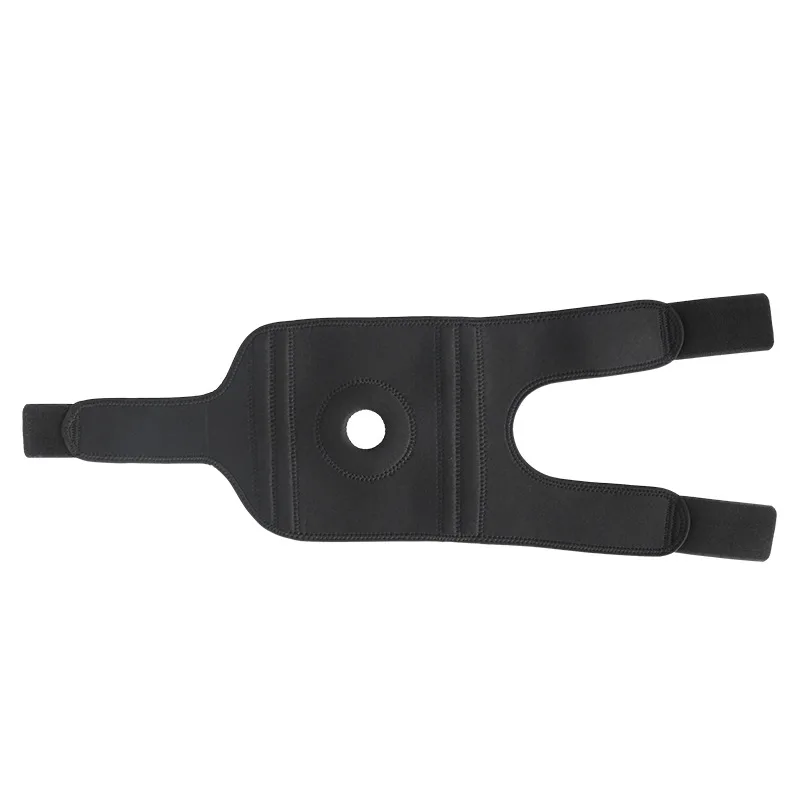
How to choose a knee support for hiking: start with the descent
When people work out how to choose a knee support for hiking, they usually think about the climb. In practice it is the way down that most walkers notice, because your legs are working hard to control each step rather than to push you up.
So pick for your descents, not your average mile. A gentle towpath ramble and a thousand metres of steep, rocky drop off a fell are entirely different jobs, and the second one is where support is most likely to be welcome.
Pack weight belongs in the same calculation. Carrying a full multi-day load down a long descent asks more of your legs than a day sack, and it is worth choosing something a bit more substantial if that is your usual outing.
Sleeve, strap or stayed support: which type fits your walking
A simple compression sleeve is light, packs to nothing and adds warmth and a bit of extra positional awareness. For most day walkers who just want their knees to feel a little more settled, this is enough.
A single strap under the kneecap is the most minimal option and stays cool, but it is very targeted. If what you want is general steadiness rather than pressure on one spot, it will feel like it is not doing much.
A sleeve with flexible side stays adds sideways steadiness on uneven ground, which is where hillwalkers actually wobble — off-camber paths, loose rock, awkward steps down off a boulder. Stays on both sides of the joint also keep the sleeve from twisting round your leg over a long day.
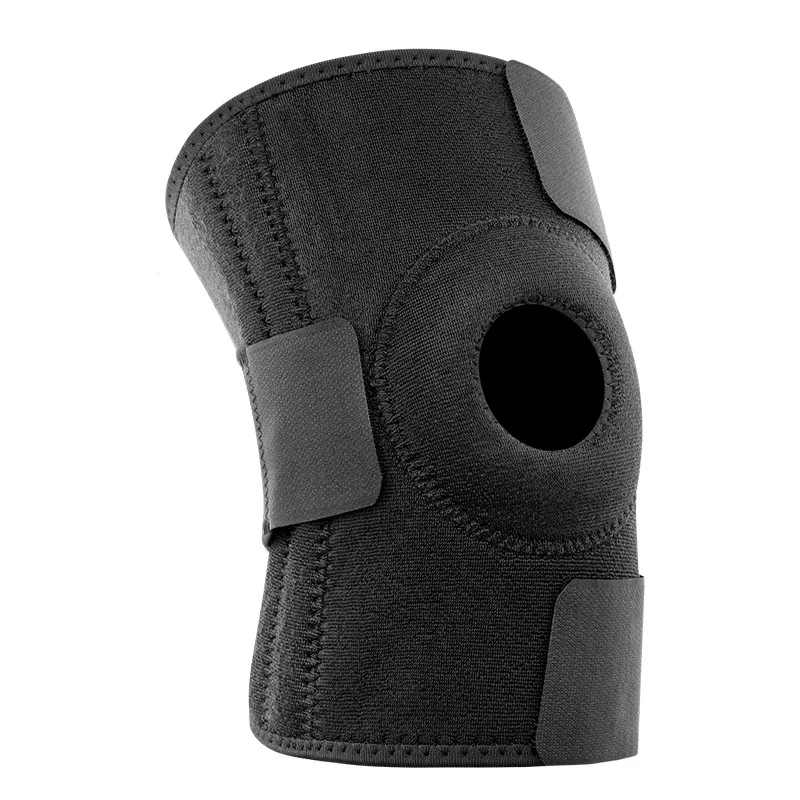 Genusto FlexGuard Knee Support
Range of movement matters more than maximum compression
Hiking is not a straight-line sport. You need a deep knee bend for stiles, big step-downs, scrambling moves and squatting to fill a water bottle. A support that fights that bend will be in your rucksack by lunchtime.
Test it at home in the positions you actually use. Bend fully, kneel, take a big step down off the bottom stair. If anything bunches, pinches behind the knee or blocks the movement, it is the wrong design for walking.
Rigid, heavily braced designs exist for good reasons, but they are usually prescribed for a specific situation. If you think you need one, that is a conversation for a physiotherapist rather than a purchase based on a product page.
Heat, sweat and long days on the hill
A support that feels fine for a two-hour test walk can feel very different at hour seven in June. Breathable knitted fabrics move air and dry faster; thick neoprene holds heat, which some people like in cold weather and most people regret in summer.
Sweat also matters for grip. Salt and moisture gradually reduce how well silicone holds, so a support that stayed put in the morning may start creeping in the afternoon. Rinsing it out after each big day helps it last.
If you walk year round, having a thinner summer option and a warmer winter one is not extravagant. They are cheap enough that the comfort difference is worth it.
Packed weight and how quickly you can get it on
Almost any support weighs little enough to ignore. Bulk is the real question — something that stuffs into a rucksack lid or hip-belt pocket will actually come with you, whereas something the size of a fleece will get left at home.
How quickly you can put it on in the field matters too. A pull-on sleeve means unlacing boots or fighting it over them, whereas a design you can get on without much faff is far more likely to be used at the top of a descent rather than after you are already sore.
Whatever you choose, keep it somewhere reachable. Support you have to unpack the whole bag for is support you will not bother with.
Kit is only half the answer
Walking poles do a genuine job on descents by giving your arms some of the work, and many walkers find them more useful than anything they wear. They are worth trying before or alongside a support.
Building up descent volume gradually, rather than jumping from flat canal paths to a big mountain day, gives your legs a chance to adapt. Strength work for thighs, hips and calves helps too, and a physio can suggest something suited to you.
And take new kit on a local hill before a big trip. A support that rubs is a minor irritation on a Sunday afternoon and a genuine problem on day two of a long walk.
Frequently Asked Questions
Should I wear a knee support for walking downhill?
Many walkers find one makes the knee feel steadier and more supported on long descents, particularly with a heavy pack. It is not a substitute for building up your descent fitness gradually, and persistent downhill pain is worth getting assessed.
Are walking poles better than a knee support?
They do different things — poles reduce how much work your legs do on descents, while a support adds stability and warmth at the joint. Plenty of hillwalkers use both, and if you only try one thing first, poles are often the bigger change.
How tight should a knee support be for hiking?
Firm enough that it does not slide when you walk, but loose enough that you can bend fully and feel no tingling or coldness in the lower leg. Check it after the first hour, as legs often swell slightly on a long day.
Can you wear a knee support over leggings or base layers?
You can, but silicone grippers need skin contact, so expect more slipping over fabric. If you usually walk in leggings, choose a design with side stays or adjustable straps rather than one that relies purely on grip strips.
If you want something that copes with a long descent without cooking your leg or restricting a deep bend, the Genusto FlexGuard Knee Support is worth considering: four flexible side stays for steadiness on uneven ground, a breathable knit for warm days, full bend for stiles and step-downs, and light and compact enough that it lives in the rucksack lid and goes on in about five seconds. One option among many — see whether it fits how you walk.
A slip-on knee sleeve with four flexible side stays and a breathable stretch knit. Snug where you want it, quiet under joggers, ready for the gym, the trail or the 5-a-side pitch.
£33.99£16.99
✓ 30 Days to Change Your Mind
You might also like